
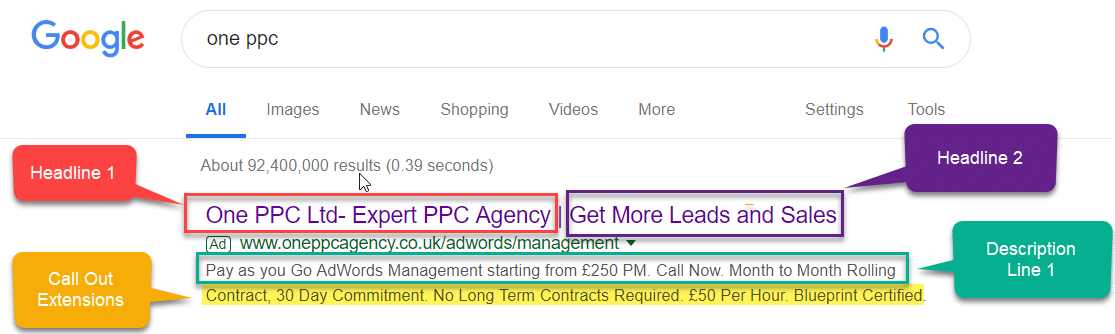
| Introduction to Google Ads |
| Google Ads is like a digital billboard where businesses showcase their products or services. But, to make that billboard effective, your headline is crucial. It’s the first thing people see and can make or break your ad’s performance. So, let’s dive into how to craft headlines that not only grab attention but also drive clicks. |
| Why Headlines Matter in Google Ads |
| The Role of Headlines in Ad Performance |
| Imagine you’re scrolling through your feed and you see an ad with a headline that makes you stop and think, “Wow, I need to check this out!” That’s the power of a compelling headline. In kynewsdesk.com, your headline is like the opening line of a great novel – it sets the stage and draws readers in. A great headline can significantly increase your ad’s performance by capturing attention quickly and prompting action. |
| How Headlines Affect Click-Through Rates (CTR) |
| Click-through rate (CTR) is a key metric that tells you how effective your headline is at convincing people to click on your ad. A well-crafted headline can boost your CTR by making your ad more relevant and engaging. For instance, if your headline aligns closely with what users are searching for, they’re more likely to click on your ad, leading to higher CTR and better ad performance. |
| Key Elements of Effective Google Ads Headlines |
| Clarity and Relevance |
| Clarity is king. Your headline should clearly convey what your ad is about in a concise manner. Avoid jargon or complicated language. Relevance is equally important – make sure your headline aligns with the user’s search intent. If someone is searching for “affordable yoga classes,” a headline like “Top Affordable Yoga Classes Near You” is clear and relevant. |
| Use of Keywords |
| Keywords play a vital role in headlines. Incorporate relevant keywords that match what your target audience is searching for. This not only helps with ad relevancy but also improves your Quality Score in Google Ads. For example, if you’re advertising a new smartphone, including keywords like “latest smartphone” or “new tech” in your headline can make your ad more appealing and searchable. |
| Call-to-Action (CTA) |
| A strong call-to-action (CTA) is essential. It directs users on what to do next, whether it’s “Shop Now,” “Learn More,” or “Get Started.” A good CTA creates a sense of urgency or value, encouraging users to click through. For instance, “Get 50% Off Today Only!” creates a sense of urgency that can drive clicks. |
| Emotional Appeal and Urgency |
| Tapping into emotions can make your headline more compelling. Whether it’s excitement, curiosity, or fear of missing out (FOMO), an emotional appeal can drive engagement. Pairing this with a sense of urgency – such as “Limited Time Offer” – can further enhance the effectiveness of your headline. |
| Crafting Compelling Headlines: Best Practices |
| Understanding Your Audience |
| Know your audience inside out. What are their pain points, desires, and interests? Tailor your headlines to address these factors. For instance, if you’re targeting busy professionals, a headline like “Quick and Easy Meals for Busy Lives” will resonate more than a generic one. |
| A/B Testing Headlines |
| Why A/B Testing is Crucial |
| A/B testing involves creating two versions of your headline and seeing which performs better. This is crucial for optimizing your ads. By testing different headlines, you can determine what resonates best with your audience and refine your approach based on data. |
| How to Conduct A/B Testing |
| To conduct A/B testing, create two versions of your ad with different headlines. Run these ads simultaneously and monitor their performance. Use metrics like CTR, conversion rate, and engagement to determine which headline works better. Tools like Google Ads’ built-in experiments can simplify this process. |
| Incorporating Localized Content |
| Localization can make your headlines more relevant to specific regions. If your business operates in multiple locations, tailor your headlines to each area. For example, “Best Pizza in New York” will be more effective for New Yorkers compared to a generic “Best Pizza” headline. |
| Common Mistakes to Avoid |
| Overusing Keywords |
| While keywords are important, overloading your headline with them can make it sound unnatural and spammy. It’s crucial to strike a balance and ensure that your headline remains readable and engaging. |
| Being Too Vague or Generic |
| Avoid headlines that are too vague or generic. A headline like “Great Deals Available” doesn’t provide enough information or incentive. Instead, be specific and highlight what makes your offer unique. |
| Ignoring Mobile Users |
| With a significant amount of web traffic coming from mobile devices, it’s essential to ensure your headlines are optimized for mobile. Keep them concise and ensure they display well on smaller screens. |
| Examples of Successful Google Ads Headlines |
| Industry-Specific Examples |
| Let’s look at some successful headlines across different industries. For e-commerce, “50% Off Summer Sale – Shop Now!” creates urgency and a clear offer. For service industries, “Top Rated Plumbers in Your Area – Call Today” emphasizes local relevance and a clear CTA. |
| Analyzing Top Performing Headlines |
| Analyzing top-performing headlines can provide insights into what works. Look at industry leaders and successful campaigns to understand common elements and strategies. This analysis can inspire and guide your own headline creation. |
| Tools and Resources for Headline Optimization |
| Google’s Headline Tools |
| Google Ads offers various tools to help with headline creation. Tools like the Keyword Planner and ad preview tool can assist in optimizing your headlines for better performance. |
| Third-Party Tools and Extensions |
| Several third-party tools and extensions can help with headline optimization. Tools like SEMrush, Ahrefs, and CoSchedule provide valuable insights and recommendations for creating effective headlines. |
| Conclusion: Mastering Your Google Ads Headlines |
| Crafting effective headlines for Google Ads requires a blend of creativity, strategy, and testing. By focusing on clarity, relevance, and strong CTAs, and avoiding common mistakes, you can create headlines that not only capture attention but also drive action. Remember, your headline is often the first impression of your ad, so make it count! |