
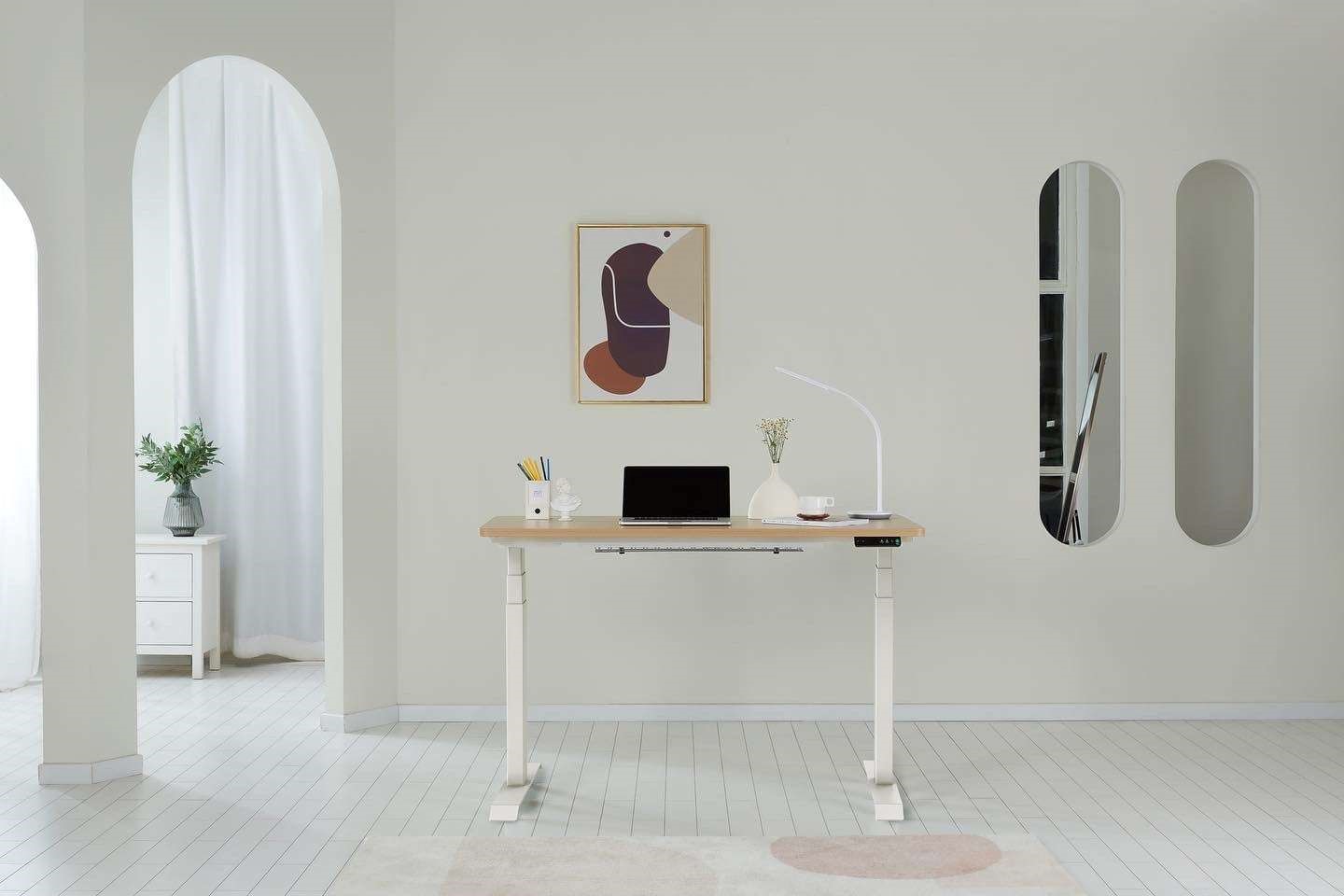
Standing desks, also known as stand-up desks, are desks that allow a person to stand comfortably while working. They have become increasingly popular as a potential solution to the health risks associated with prolonged sitting. Here are some key considerations and tips when it comes to standing desks:
Benefits of Standing Desks:
- Reduced Sedentary Behavior: Standing desks encourage movement and help reduce sedentary behavior, which is associated with various health issues.
- Improved Posture: Using a standing desk can promote better posture and reduce the risk of developing musculoskeletal problems associated with prolonged sitting.
- Increased Energy and Alertness: Many users report increased energy levels and improved alertness when using standing desks, potentially leading to increased productivity.
- Customizable Heights: Most standing desks are adjustable, allowing users to find the optimal height for their comfort. This is important to accommodate different body types and preferences.
- Versatility: Standing desks are versatile and can often be easily converted from a sitting to a standing position, providing users with the flexibility to choose their preferred working position.
Tips for Choosing and Using Standing Desks:
- Adjustability: Choose a standing desk with adjustable height settings to accommodate various users and to allow for changes in posture throughout the day.
- Anti-Fatigue Mat: If you plan to stand for extended periods, consider using an anti-fatigue mat to reduce discomfort and strain on your feet and legs.
- Ergonomic Accessories: Invest in ergonomic accessories, such as an ergonomic chair or a monitor arm, to create a comfortable and efficient workstation.
- Transition Gradually: If you’re new to standing desks, start by gradually increasing your standing time. Begin with short intervals and then gradually extend the duration as your body adjusts.
- Take Breaks: Regardless of whether you’re sitting or standing, it’s important to take breaks. Change your position, stretch, and move around regularly to prevent stiffness and promote circulation.
- Eye Level Monitor: Position your monitor at eye level to reduce strain on your neck and ensure proper ergonomics.
- Comfortable Shoes: If you’re standing for an extended period, wear comfortable shoes with good support.
- Listen to Your Body: Pay attention to how your body responds to standing. If you experience discomfort, adjust your desk setup or take breaks as needed.
Considerations for Health and Safety:
- Anti-Fatigue Mat: Consider using an anti-fatigue mat to reduce stress on your legs and lower back.
- Correct Ergonomics: Ensure that the desk, keyboard, and monitor are positioned at the correct ergonomic heights to avoid strain on your neck, shoulders, and wrists.
- Movement: Avoid standing still for long periods. Incorporate movement, shifting your weight between your legs and taking short breaks to walk around.
- Proper Footwear: Wear comfortable shoes with good support to reduce strain on your feet and legs.
- Gradual Transition: If you’re new to standing desks, transition gradually to allow your body to adapt.
Before investing in a standing desk, it’s essential to consider your work habits, preferences, and any existing health concerns. Some people find that a combination of sitting and standing throughout the day provides the most comfort and benefits. Additionally, consulting with an ergonomics expert or healthcare professional can help ensure that your workstation is set up optimally for your individual needs.

Ergosphere Ergonomics
LG38 MGF Metropolis Mall
MG Road, Gurgaon.
+91 9911324000, +91 9643024000
Email: sanjay@ergosphere.in, jatin@ergosphere.in, mukul@ergosphere.in
Website: https://ergosphere.in/