

Swimming pools can transform a home, providing an oasis for relaxation, entertainment, and exercise. Whether you’re considering adding a pool to your property or looking for ways to optimise the one you already have, there are many aspects to consider. From choosing the right design and materials to understanding the costs involved, every detail matters. This comprehensive guide will address some of the most frequently asked questions about swimming pools, covering everything from installation and maintenance to safety and the latest advances in pool technology. We’ll also explore seasonal care tips, energy-efficient options, and innovative features that can enhance your swimming experience. Dive into this guide to make informed decisions and create the perfect pool for your needs.
Common Questions on Pool Installation
Is it possible to install a pool in any backyard?
While it might seem like any backyard could accommodate a home swimming pool in perth, several factors can influence feasibility. The size and shape of your yard, including any slopes or irregularities, can significantly impact the design and placement of the pool. Soil condition is crucial, as certain types of soil may require additional preparation or reinforcement. Accessibility for construction equipment is another important consideration; narrow entry points or overhead obstructions can complicate the installation process.
Additionally, local zoning laws and regulations must be adhered to, which may include restrictions on pool size, placement, and safety features such as fencing. Proper planning and consultation with professionals can ensure a smooth and successful pool installation.
Key Points:
- Size and Shape: Smaller or unusually shaped yards may require custom pool designs. Rectangular pools are more space-efficient but don’t rule out other shapes if you have a unique layout.
- Soil Condition: Soil type affects excavation and the stability of the pool structure. Sandy or rocky soils may need additional preparation work.
- Accessibility: Construction equipment needs access to your yard. Tight spaces or obstructions can complicate installation.
- Zoning Laws: Local regulations might dictate pool placement, minimum distances from property lines, and other restrictions.
What are the key considerations for pool placement?
Choosing the right spot for your pool involves more than just picking a flat piece of land. Here are the main factors to consider:
- Sun Exposure: Maximising sunlight can help keep the water warm and reduce heating costs.
- Proximity to Trees: While trees offer shade, they also shed leaves and other debris that can clog filters.
- Privacy: Consider how visible the pool will be to neighbours and passersby.
- Utilities: Ensure the location is accessible for plumbing and electrical connections.
How long does pool installation typically take?
The time it takes to install a pool depends on various factors like the type of pool, weather, and project complexity. Typically, it can range from a couple of weeks to a few months. The process includes planning and design, obtaining permits, excavation and construction, and finishing touches.
Maintenance and Upkeep FAQs
What are the essential pool maintenance tasks?
Regular maintenance is crucial to keep your pool clean, safe, and operational. Here are the essential tasks:
- Skimming and Cleaning: Remove debris from the water surface and clean the pool walls and floor.
- Water Testing: Check chemical levels, including pH, chlorine, and alkalinity, weekly.
- Filter Maintenance: Clean or replace filters as per the manufacturer’s instructions.
- Vacuuming: Regularly vacuum the pool to remove dirt and algae.
How can homeowners ensure pool water remains safe and clean?
Maintaining balanced water chemistry is key to keeping your pool water safe. Here are some tips:
- Regular Testing: Use test kits or strips to check chemical levels.
- Chemical Balancing: Adjust chemicals as needed. pH levels should be between 7.2 and 7.6, and chlorine levels should be between 1.0 and 3.0 ppm.
- Shock Treatment: Regularly shock your pool to eliminate contaminants and maintain clarity.
- Algae Prevention: Use algaecides and maintain proper water circulation.
What are the signs of common pool problems, and how can they be addressed?
Common pool problems can often be identified early through careful observation. Here are some signs to look for and their remedies:
- Cloudy Water: Usually indicates a chemical imbalance. Test and adjust chemicals as needed.
- Algae Growth: Visible as green, black, or yellow slime. Brush affected areas and treat with algaecide.
- Low Water Levels: Could indicate a leak. Inspect the pool and surrounding area for signs of water loss.
- Pump Issues: If the pump isn’t working correctly, check for clogs, clean filters, and ensure proper power supply.
Pool Safety and Legalities
What are the legal requirements for pool installation?
Legal requirements for pool installation vary by location but generally include:
- Permits: Most areas require a permit for pool construction.
- Fencing: Pools must be surrounded by a fence with a self-closing, self-latching gate.
- Inspections: Regular inspections by local authorities to ensure compliance with safety standards.
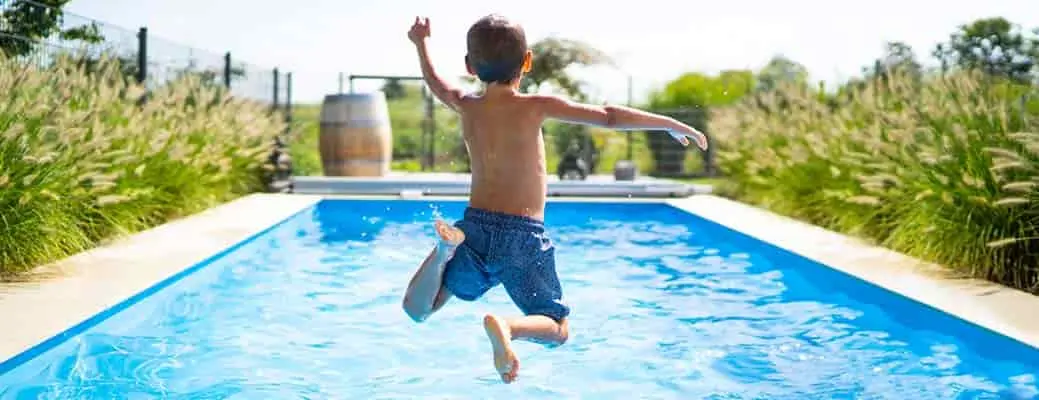
How can homeowners ensure their pool area is safe for children and pets?
Safety is paramount when it comes to pools. Here are some measures to ensure a safe environment:
- Supervision: Never leave children or pets unattended near the pool.
- Barriers: Install barriers like fences and pool covers to prevent accidental access.
- Alarms: Pool alarms can alert you if someone enters the pool area unexpectedly.
- Safety Equipment: Keep life-saving equipment, such as life rings and first aid kits, readily available.
Are there any specific pool accessories that enhance safety?
Several accessories can enhance pool safety:
- Safety Covers: These can support weight and prevent accidental drownings.
- Pool Alarms: Detects motion in the pool and alerts you.
- Anti-Slip Surfaces: Reduces the risk of slipping around the pool area.
- Childproof Locks: For gates and doors leading to the pool area.
Conclusion
Installing a pool can be a transformative addition to any home, providing a place for relaxation, exercise, and fun. However, careful planning and consideration are crucial to ensure a successful and safe installation. From determining the feasibility based on your backyard’s specifics to adhering to local zoning laws, each step plays a vital role. Once installed, consistent maintenance and taking necessary safety precautions will help prolong the life of your pool and ensure it remains a safe haven for family and friends. Whether it’s deciding on the perfect location, choosing the right safety accessories, or understanding the legal requirements, this guide aims to equip you with the knowledge needed to make informed decisions about your pool installation and upkeep. Enjoy your journey toward creating a delightful aquatic retreat in your own backyard.