
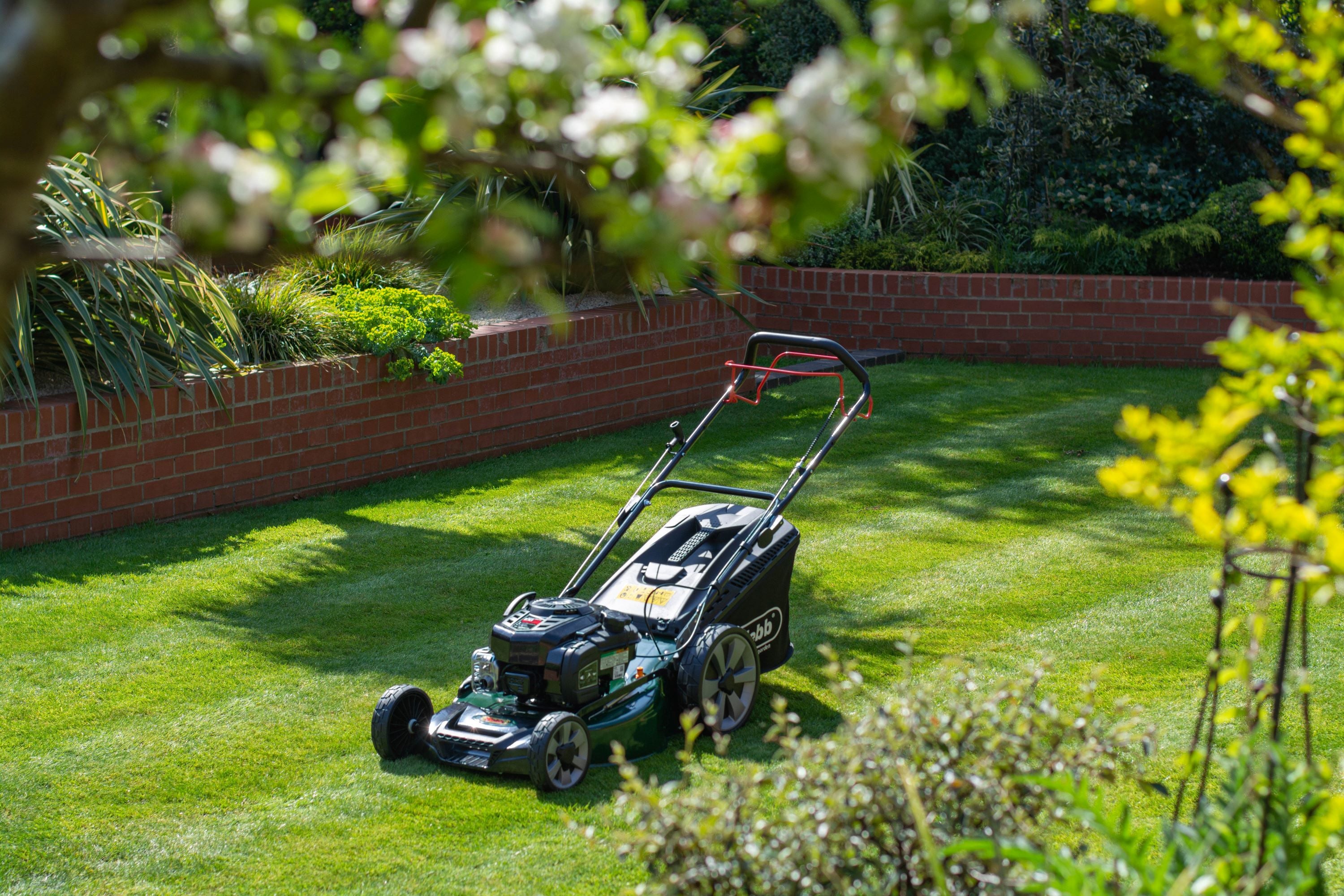
The following comprehensive guide covers everything you need about lawnmowers, from choosing the right type for your yard to proper maintenance and care. Whether you’re a seasoned lawn care pro or a beginner just starting out, this handbook is a must-have for any green thumb looking to achieve a lush and vibrant lawn.
Choosing the right lawn mower for your garden
Selecting the ideal lawn mower begins with understanding your garden’s size and terrain. A manual reel mower might be sufficient and environmentally friendly for smaller, flat gardens. Electric mowers are suited for medium-sized areas, offering a balance between power and convenience without the emissions of gas-powered alternatives.
A self-propelled or riding mower can save time and reduce physical strain for larger or hilly landscapes. Consider also the mower’s cutting width—more expansive decks reduce mowing time but may be harder to maneuver in tight spaces. Matching the mower to your garden’s characteristics ensures efficient lawn care and promotes a healthier lawn.
Understanding the mechanics of your lawn mower
Diving into the mechanics of your lawn mower enhances your mowing experience and ensures its longevity. Familiarize yourself with the core components:
- The engine, which powers the mower.
- The blade is responsible for cutting grass.
- The deck, which houses the blade.
- The drive system propels the mower forward.
Gas-powered mowers require regular checks of oil, spark plugs, and air filters, while electric mowers need battery or cord inspections. Understanding how these elements work together allows for better performance tuning and can help you diagnose issues before they escalate, ensuring your mower runs smoothly for seasons to come.
The art of perfect lawn mowing techniques
Mastering lawn mowing techniques involves more than pushing a mower around your yard. Start mowing when the grass is dry to prevent clumping and ensure an even cut. Alternate your mowing pattern each session to avoid grass leaning and promote healthy growth. Adjust the mower’s height according to the season—higher in summer to reduce stress on the grass and lower in spring and fall for a tighter cut. Edge along garden beds and sidewalks for a polished look, and always mow steadily to prevent uneven lengths. These strategies will help you achieve a professionally manicured lawn.
Lawn mower maintenance 101
Regular maintenance is key to extending the lifespan of your lawn mower and ensuring it operates at peak efficiency. Always clean the undercarriage to remove grass clippings and debris that can clog the mower, leading to inefficiency or damage. Change the oil at least once per mowing season or according to the manufacturer’s guidelines. Sharpen the blades annually to maintain a clean cut and healthy grass. Check the air filter and replace it when it’s dirty to keep the engine running smoothly. Lastly, inspect the spark plug every season and replace it if necessary to ensure easy starting and optimal performance.
Troubleshooting common lawn mower problems
A few troubleshooting tips can make a big difference when facing common lawn mower issues. If your mower doesn’t start, check the basics: ensure it has fresh fuel, a clean air filter, and an adequately connected spark plug. For mowers that start but run poorly, examine the carburetor for dirt or the need for adjustment. Uneven cuts often stem from dull blades or incorrect deck height adjustment. If the mower seems difficult to push, ensure the drive system is debris-free and the tires are properly inflated. Addressing these areas can solve the most common problems, keeping your mower running efficiently.
Lawn mower safety tips
Always prioritize your safety while operating a lawn mower by wearing appropriate protective gear, including goggles, gloves, and closed-toe shoes. Keep children and pets indoors when mowing to prevent accidents. Before starting your mower, clear the lawn of rocks, sticks, and other debris to avoid potential projectiles. Never operate a mower while under the influence of drugs or alcohol. When performing maintenance, ensure the mower is off, and the spark plug is disconnected to prevent accidental startups. Finally, practice proper lawn mower storage by keeping it dry and secure to avoid injuries and protect the equipment from damage.
In wrapping up our journey through our complete lawn mower guide, remember that maintaining a beautiful lawn is both an art and a science. Armed with the right mower, knowledge of its mechanics, mowing techniques, regular maintenance, and safety precautions, you’re well on your way to achieving lawn perfection. Let this guide empower you to care for your lawn and enjoy the process. Happy mowing!