
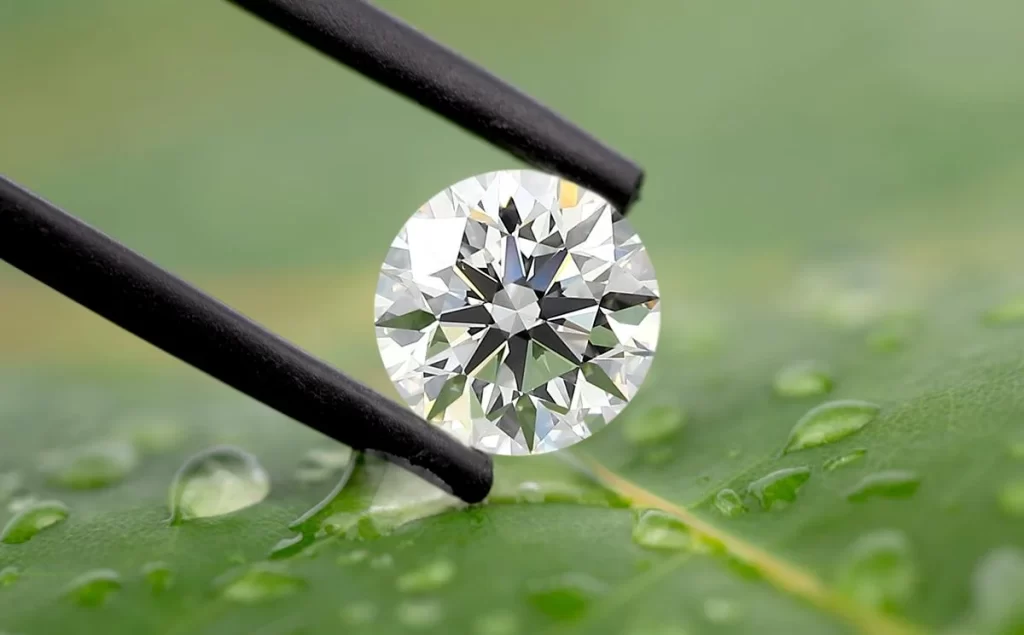
Diamonds have long represented persevering through affection, elegance, and extravagance. For a really long time, they have been regarded as rare and valuable treasures mined from the Earth, bound to sparkle on engagement rings, necklaces, and other fine gems. Today, with advancements in innovation and developing worries over ethical obtaining, lab created diamonds are forever — are rapidly turning into a popular alternative. These diamonds, cultivated in controlled conditions, offer the same brilliance, hardness, and durability as their natural counterparts. In many ways, lab-created diamonds are demonstrating that they, as well, are without a doubt forever.
The Science Behind Lab-Grown Diamonds
To understand the reason why lab-created diamonds are persevering, it’s important to grasp how they are made. Lab-grown diamonds are delivered through two primary cycles: High Strain, High Temperature (HPHT) and Chemical Vapor Affidavit (CVD).
The HPHT technique imitates the natural course of diamond formation profound inside the Earth, utilizing extreme heat and strain to crystallize carbon atoms. The CVD cycle, then again, includes breaking down carbon-rich gases to shape layers of diamond crystals in a vacuum chamber. The two strategies bring about diamonds that are chemically and physically identical to mined diamonds, having the same hardness (10 on the Mohs scale), refractive record, and optical properties.
Why Lab-Grown Diamonds Are “Forever”
One of the key reasons why diamonds, whether lab-grown or natural, are portrayed as “forever” is because of their durability. As the hardest known natural material, diamonds can oppose scratching and damage, maintaining their brilliance for a lifetime and then some. The same properties that make dug diamonds valued for their life span are also present in lab-grown diamonds.
Besides, lab-grown diamonds have a few extraordinary attributes that make them significantly more fitting for the phrase “diamonds are forever.” Not normal for natural diamonds, which can accompany ethical worries regarding mining practices, lab-grown diamonds are sustainably delivered, avoiding the environmental degradation and human privileges issues frequently associated with traditional diamond mining. This ethical aspect adds to their lasting appeal, particularly for the individuals who value both beauty and obligation.
Sustainability and Morals: A Lasting Legacy
In today’s reality, customers are more educated than any time in recent memory about the impact of their purchasing choices. The ascent of the ethical customer has brought issues like struggle diamonds and environmentally harmful mining practices to the very front. Lab-created diamonds offer an answer for these worries, giving a sustainable and struggle free alternative to mined diamonds.
The diamond mining industry has for quite some time been reprimanded for its negative environmental impacts. It is known to add to deforestation, soil disintegration, and water contamination, as well as the displacement of networks. Also, diamonds that originate from struggle zones — generally alluded to as blood diamonds — have historically subsidized wars and human freedoms abuses.
Lab-grown diamonds address these issues head-on. By creating diamonds in controlled laboratory conditions, manufacturers significantly lessen the environmental impression. No mining is involved, no biological systems are upset, and no human freedoms violations are attached to their creation. The outcome is an item that lasts a lifetime as well as leaves behind a cleaner, more dependable legacy for people in the future.
The Developing Popularity of Lab-Created Diamonds
The allure of lab-grown diamonds isn’t simply in their sustainability yet in addition in their accessibility. Lab-grown diamonds are typically more affordable than their mined counterparts, frequently costing 30-40% less. This cost distinction allows customers to purchase larger, more excellent diamonds at the same cost they would pay for a smaller mined diamond. Accordingly, lab-grown diamonds are turning into an increasingly popular decision for engagement rings and other fine gems.
Additionally, lab-created diamonds can be delivered in a more extensive array of shapes, tones, and sizes than natural diamonds, giving purchasers more choices for customization. From traditional round brilliant slices to additional one of a kind shapes like pear, oval, or marquise, lab-grown diamonds offer versatility without settling for less on quality. Also, shaded diamonds — like pink, blue, and yellow — can be grown effortlessly, opening up much more opportunities for personalization.
Lab-Created Diamonds and the Gems Business
The ascent of lab-created diamonds has not slipped through the cracks by the gems business. As of late, major extravagance brands and retailers have started incorporating lab-grown diamonds into their assortments. As buyers become more aware of the environmental and ethical implications of their purchases, the demand for lab-created diamonds keeps on developing.
Many gem dealers presently offer lab-grown diamond engagement rings, wedding rings, and other fine adornments. The ability to create great diamonds on demand allows goldsmiths to meet client inclinations for specially crafts all the more productively, while also giving an eco-accommodating and ethical alternative.
The ascent in popularity of lab-grown diamonds has prompted a significant change in the view of what makes a diamond valuable. While the rarity of mined diamonds has traditionally determined their cost, lab grown diamonds are challenging this paradigm by offering the same brilliance and durability without the environmental and ethical expenses.
Conclusion: Lab-Created Diamonds Are Setting down deep roots
Lab-created diamonds are a viable alternative to natural diamonds as well as showing what them can do as the eventual fate of the diamond business. With their ethical creation strategies, sustainability, affordability, and identical properties to mined diamonds, they offer an answer for customers who look for both extravagance and obligation.