
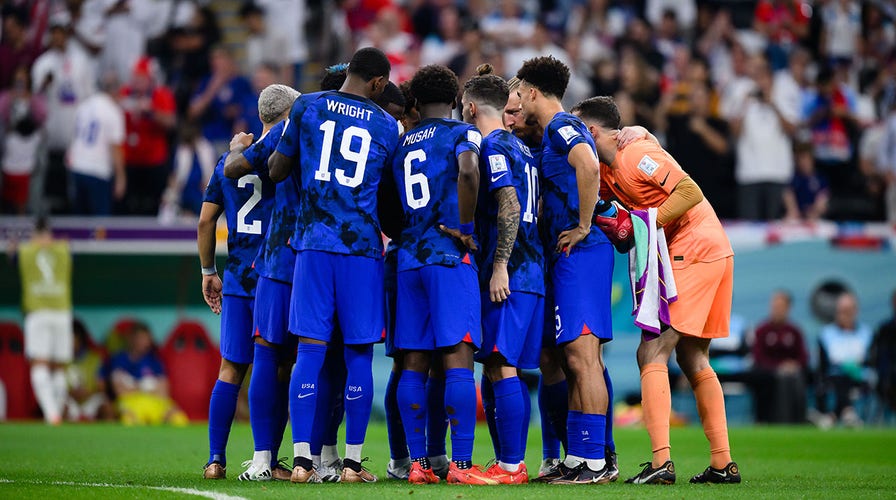
Introduction: The World Cup’s Impact on the USA
The FIFA World Cup is more than just a global sporting event—it’s a cultural phenomenon that brings countries together, igniting passion and excitement around the world. For the United States, soccer has traditionally played second fiddle to sports like American football, basketball, and baseball. However, with the increasing popularity of soccer and growing success on the international stage, the World Cup has become an event that draws millions of Americans into the sport’s fold.
The Growing Popularity of Soccer in the U.S.
Soccer’s rise in the U.S. is undeniable. Over the last few decades, Major League Soccer (MLS) has expanded, international leagues have gained large followings, and American players have started to make their mark globally. This surge in interest has helped fuel the country’s excitement for the nejournal.us, as more and more Americans tune in to support the U.S. Men’s National Team (USMNT) and follow the world’s best players on the global stage.
How the World Cup Unites Americans
The World Cup is unique in its ability to unite people from all walks of life. Despite the U.S.’s rich sports culture, soccer has often been seen as a secondary sport. Yet when the World Cup rolls around, Americans of all backgrounds come together to cheer for their country, setting aside rivalries and focusing on a shared love for the game. The event brings people from diverse communities together, creating an unspoken bond of patriotism and pride.
USA’s History in the FIFA World Cup
While soccer may not be America’s most popular sport, the United States has a rich history in the FIFA World Cup that has continued to grow since their first appearance in the inaugural tournament.
A Look Back: The USA’s Early World Cup Appearances
The U.S. first participated in the World Cup in 1930, finishing third in the competition’s inaugural tournament. The team had early success, but the sport’s popularity waned in the following decades. Despite the U.S.’s World Cup absence during the 1950s and 1960s, the sport gained momentum once again in the 1990s, largely due to the growing interest in soccer at the youth level and the country hosting the World Cup in 1994.
The Rise of the U.S. Men’s National Team
In the modern era, the U.S. Men’s National Team has become a competitive force in international soccer. While they may not have reached the pinnacle of global soccer, the team has consistently qualified for the World Cup since 1990 and is seen as a rising contender. Players like Landon Donovan, Clint Dempsey, and Christian Pulisic have made their mark on the world stage, raising the profile of soccer in the U.S.
Memorable Moments from Past World Cups
From Landon Donovan’s iconic last-minute goal against Algeria in 2010 to the team’s dramatic performances in Brazil, the U.S. has had its share of unforgettable World Cup moments. These highlights have become etched in the memories of American soccer fans, helping to further fuel the nation’s passion for the sport.
The Road to World Cup Qualification for the USA
Qualification for the World Cup is never easy, and the U.S. Men’s National Team faces a competitive challenge every time they aim to qualify. The qualification process is grueling and requires teams to perform consistently well in regional tournaments.
The Qualification Process: How Teams Make It to the World Cup
To qualify for the World Cup, teams must compete in regional qualifying rounds. For the U.S., this means the CONCACAF (Confederation of North, Central America, and Caribbean Association Football) qualifying process. The top teams in the region earn automatic berths to the World Cup, while other teams must go through playoffs. The U.S. team faces stiff competition from teams like Mexico, Costa Rica, and Honduras, making every qualifying match crucial.
The Challenges the U.S. Faces in Qualification
While the U.S. is generally considered one of the stronger teams in CONCACAF, qualification is far from guaranteed. The team has faced significant challenges in recent years, including a heartbreaking failure to qualify for the 2018 World Cup. However, the team’s resilience and the influx of young talent have put them back on track for future tournaments.
Key Players and Coaches Who Shaped the Team
Over the years, numerous players and coaches have left their mark on the U.S. Men’s National Team. Coaches like Bruce Arena and Jurgen Klinsmann have shaped the team’s development, while stars like Donovan, Pulisic, and Dempsey have carried the team forward on the global stage.
The 2022 FIFA World Cup: USA’s Performance
The 2022 FIFA World Cup in Qatar provided another opportunity for the U.S. Men’s National Team to showcase their talents to the world. The team faced new challenges, including a tough group stage and rising expectations.
Group Stage Highlights
The U.S. was placed in a challenging group alongside England, Iran, and Wales. Their performances were a mixed bag, with a thrilling 0-0 draw against England and a crucial win against Iran securing their place in the knockout stages.
USA’s Key Matches and Players
Christian Pulisic’s strong performances and key assists, along with the defense led by Walker Zimmerman, were vital to the team’s progress. The U.S. was eliminated in the Round of 16, but their effort in Qatar showed that they were once again a competitive force on the international stage.
Lessons Learned from the 2022 World Cup
While the U.S. did not make it as far as they had hoped, their performance in 2022 was a step forward for American soccer. The team demonstrated significant growth and resilience, with a new generation of young players beginning to take the spotlight.
USA and the Future of the World Cup
The future of U.S. soccer looks brighter than ever. With increasing investment in youth development and the excitement of hosting the 2026 World Cup, the U.S. is poised to continue its ascent in global soccer.
The U.S. as a Host for the 2026 World Cup
In 2026, the U.S. will co-host the World Cup with Mexico and Canada, marking the first time the country will host the tournament since 1994. The 2026 World Cup will be special not only because of its significance as the first expanded tournament (with 48 teams) but also because it will allow the U.S. to showcase its soccer culture and infrastructure on the global stage.
Developing Young Talent: The U.S. Soccer Academy
In recent years, there has been a significant push to develop homegrown talent through U.S. Soccer’s academies and local leagues. The focus on nurturing young players will be critical as the U.S. looks to build a team capable of competing with the world’s best for years to come.
The Cultural Impact of the World Cup on the USA
The World Cup has had a significant cultural impact on the U.S., influencing everything from local youth leagues to national conversations about sports and identity.
Soccer’s Growing Popularity Among American Youth
Soccer is now one of the most popular youth sports in the U.S., with millions of kids participating in leagues across the country. The World Cup inspires a new generation of players who dream of representing their country on the global stage.
How the World Cup Influences American Culture
The World Cup brings soccer to the forefront of American culture, sparking conversations, media coverage, and excitement that spills over into other areas. Watching the tournament becomes an event that unites people, with viewing parties, merchandise, and cultural celebrations spreading nationwide.
Soccer Events and Festivals Across the U.S.
Throughout the U.S., soccer-themed festivals, viewing parties, and tournaments have become a regular part of the cultural landscape, especially during World Cup years. Cities like Los Angeles, New York, and Atlanta see massive gatherings of soccer fans during the tournament.
Conclusion: The Bright Future of USA Soccer
The United States is on the cusp of something big in the world of soccer. The combination of an expanding soccer culture, talented young players, and the excitement surrounding the 2026 World Cup bodes well for the future of the sport in the U.S.
What the World Cup Means for American Soccer
The World Cup has become more than just a global sporting event—it represents the opportunity for the U.S. to showcase its soccer prowess to the world. Every World Cup is a chance for the U.S. to step up, make its mark, and prove that it belongs among the best.
The Evolution of Soccer in the USA
From its early days to the present, soccer in the U.S. has come a long way. With an increasingly competitive national team, a growing fan base, and the 2026 World Cup on the horizon, the future of American soccer is looking brighter than ever. As the sport continues to evolve, the U.S. is ready to embrace the world stage.