
Owning a pool is a luxurious addition to any home, offering endless opportunities for relaxation, exercise, and entertainment. However, to truly maximise the use of your pool, maintaining a comfortable water temperature is essential. Effective pool heating can significantly extend your swimming season, making your investment even more worthwhile. In this post, we’ll dive into the various pool heating options available—solar, gas, and electric heaters—and help you make an informed decision on the best choice for your needs.
Comparison of Solar, Gas, and Electric Heaters
Efficiency and Cost Comparison
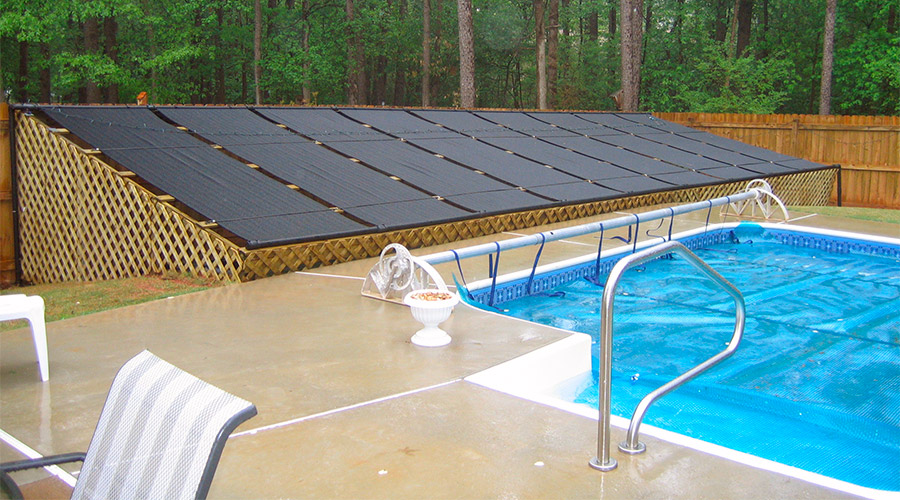
Solar Heaters: Solar pool heaters harness energy from the sun, making them one of the most cost-effective options over time. While the initial installation cost can be high, the ongoing operational costs are minimal because the energy source is free. However, the efficiency of solar heaters is highly dependent on your local climate and the amount of available sunlight.
- Pros: Low operational cost, eco-friendly.
- Cons: High upfront cost, weather-dependent.
Gas Heaters: Gas heaters use natural gas or propane to heat the pool water quickly and efficiently, regardless of the weather conditions. They are ideal for heating the pool on demand, such as for occasional use or when you need the pool heated quickly. However, gas heaters can be expensive to run due to the cost of fuel.
- Pros: Quick heating, not weather-dependent.
- Cons: High operational cost, less environmentally friendly.
Electric Heaters: Electric heaters, particularly heat pumps, use electricity to transfer heat from the air to the pool water. They are more efficient than traditional electric resistance heaters but still more expensive to operate compared to solar heaters. Heat pumps work best in moderate climates where the ambient air temperature is conducive to efficient operation.
- Pros: Consistent heating, moderate operational costs.
- Cons: Less efficient in colder climates, higher operational cost than solar heaters.
Environmental Impact
Solar Heaters: Solar heaters are the most environmentally friendly option, as they rely on renewable energy from the sun. They do not produce emissions or rely on fossil fuels, making them an excellent choice for eco-conscious pool owners.
Gas Heaters: Gas heaters have a higher environmental impact due to their reliance on fossil fuels and the emissions produced during operation. If sustainability is a priority, gas heaters might not be the best choice.
Electric Heaters: Electric heaters generally have a lower environmental impact than gas heaters, especially if the electricity used is sourced from renewable energy. Heat pumps are particularly efficient and produce fewer emissions compared to gas heaters.
Installation and Maintenance Requirements
Solar Heaters: Installation of solar heaters can be complex and typically involves placing solar panels on a roof or other structure with good sun exposure. Maintenance is relatively low, mainly involving regular checks and occasional cleaning of the panels.
Gas Heaters: Gas heater installation requires a connection to a natural gas line or a propane tank, which can involve additional costs and considerations. Maintenance involves regular servicing to ensure safe and efficient operation.
Electric Heaters: Electric heaters are generally easier to install compared to gas heaters, requiring only a connection to the electrical system. Maintenance is straightforward, often involving periodic inspections and cleaning.
Understanding Your Pool’s Needs
Factors Influencing the Choice of Heater
A few factors should be considered when choosing a pool heater, including:
- Pool Size: Larger Sydney Swimming Pools require more powerful heaters to maintain a comfortable temperature.
- Climate: The local climate significantly impacts the efficiency of different heating options. For example, solar heaters are most effective in sunny regions, while heat pumps can struggle in colder climates.
- Usage Patterns: If you use your pool sporadically, a gas heater might be more suitable for quick heating. For consistent usage, solar or electric heaters are more cost-effective in the long run.
Long-Term Investment
Lifecycle Costs and Benefits of Each Heating Option
Solar Heaters: While the initial cost is high, the long-term savings on energy bills make solar heaters a wise investment. Their durability and low maintenance further contribute to their cost-effectiveness over time.
Gas Heaters: Although gas heaters have a lower upfront cost, their higher operational and maintenance costs can add up. They are best suited for situations where quick heating is essential.
Electric Heaters: The balance between initial cost, operational efficiency, and maintenance makes electric heaters a solid middle-ground option. Heat pumps, in particular, offer good long-term value in moderate climates.

Making the Right Choice
Summary of Key Factors to Consider
When choosing a pool heater, consider the following key factors:
- Initial and Operational Costs: It’s crucial to balance your budget with the long-term operational costs. Evaluate the upfront expense of the heater against the ongoing energy and maintenance costs to find a solution that is financially sustainable in the long run.
- Climate and Sunlight Availability: Match the heater type to your local conditions for optimal efficiency. For instance, in sunnier regions, solar heaters may offer significant savings, while in colder climates, a gas or electric heater might be more effective.
- Environmental Impact: Choose a heater that aligns with your sustainability goals. Consider eco-friendly options like solar heaters or those with higher energy efficiency ratings to minimise your carbon footprint and contribute to environmental conservation.
- Pool Usage: Select a heater that suits your swimming frequency and needs. If you use the pool frequently or year-round, investing in a more robust and efficient heater will ensure consistent water temperature and a pleasant swimming experience. Conversely, for occasional use, a less expensive option might suffice.
Conclusion
Selecting the right pool heater is crucial to maximising your pool’s usability and enjoyment. A well-chosen heater allows you to extend your swimming season, ensuring warm, comfortable water even during cooler months. By understanding the strengths and weaknesses of solar, gas, and electric heaters, you can make an informed decision that best fits your needs and budget. Solar heaters are environmentally friendly and cost-effective in the long run, but depend on sunny weather. Gas heaters provide quick and consistent heating but can be expensive to operate. Electric heaters offer a reliable middle ground but may have higher installation costs. For a tailored recommendation and professional installation services, contact your local pool heating experts today. Enjoy your perfectly heated pool all year round and make every swim a pleasure!