


Introduction
In the realm of global conflicts, Syria stands out for its complexity and intensity. The Syrian civil war, which began in 2011, has evolved into a multifaceted crisis involving various international actors, regional powers, and complex humanitarian issues. The portrayal of this conflict in U.S. news outlets plays a significant role in shaping public perception and influencing foreign policy. This article delves into the intricate landscape of Syria news in the U.S., exploring how different media outlets cover the conflict, the narratives they push, and the broader implications of this coverage.
The Media Landscape: An Overview
Mainstream Media Coverage
U.S. mainstream media, including major outlets like CNN, The New York Times, and The Washington Post, has covered the Syrian conflict extensively. These reports often focus on key aspects such as:
- Humanitarian Crises: Coverage of the dire humanitarian situation, including the impact on civilians, refugee crises, and the destruction of infrastructure.
- Chemical Weapons Attacks: Reporting on allegations of chemical weapon use by the Assad regime and international responses to these events.
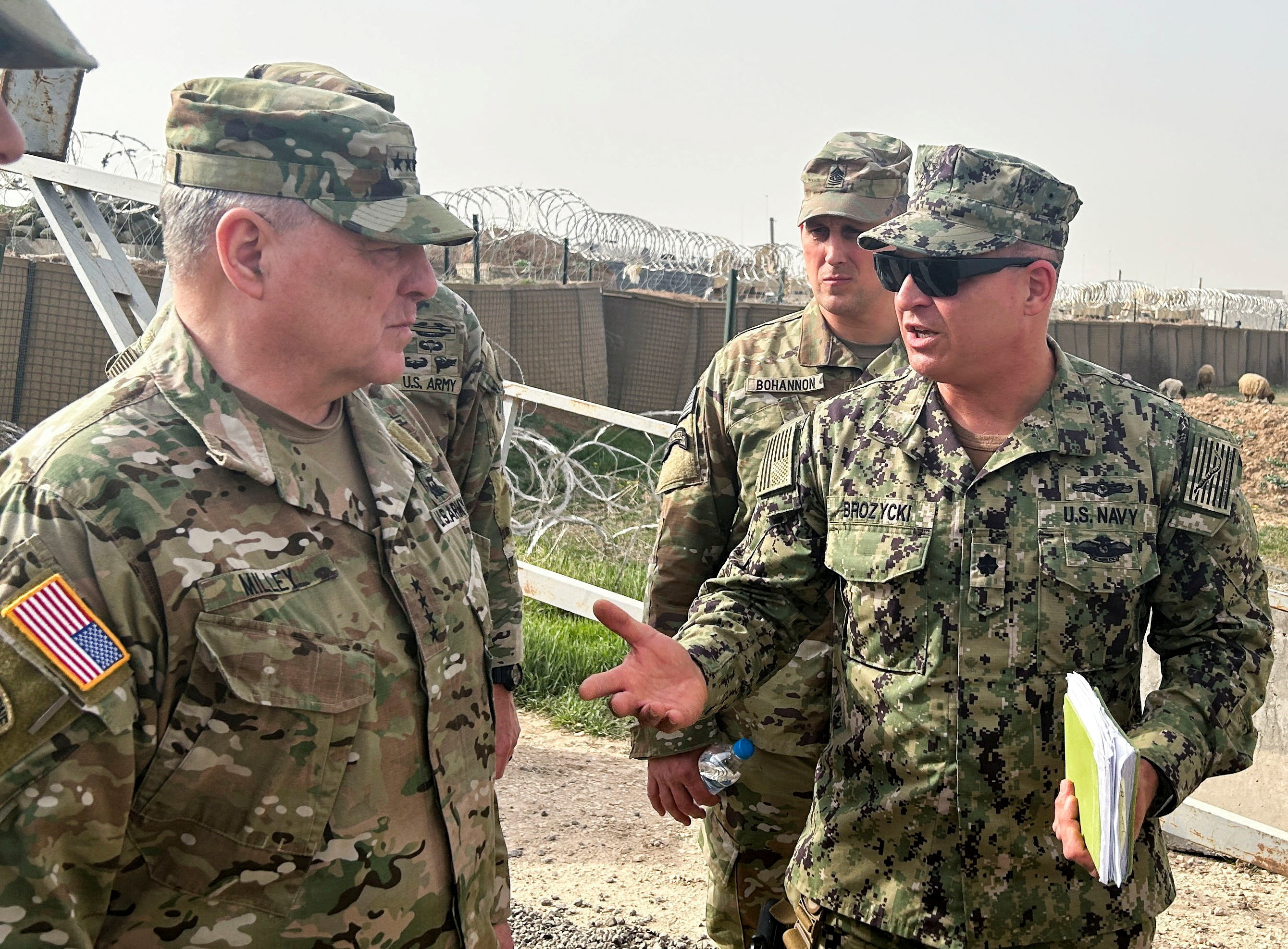
- U.S. Involvement: Discussions on American military involvement, including airstrikes and support for various opposition groups.
Alternative Media and Perspectives
Alternative and independent media sources offer different perspectives on the arizonaupdate.com conflict. These outlets may emphasize:
- Regional Perspectives: Coverage from Middle Eastern outlets or analysts can provide insights into regional dynamics and local responses to the conflict.
- Critiques of U.S. Policy: Some independent sources criticize U.S. foreign policy and its impact on the conflict, highlighting unintended consequences or alternative approaches.
- Human Interest Stories: Reports focusing on individual stories from Syrians, offering a more personal view of the conflict.
Narrative Framing and Its Impacts
The “Good vs. Evil” Narrative
A common narrative in U.S. media is the portrayal of the conflict as a struggle between good and evil, often framing the Assad regime as the primary antagonist and the opposition forces as the heroes. This framing can lead to:
- Simplified Understanding: A reductionist view that oversimplifies the complex web of alliances, grievances, and interests involved in the conflict.
- Bias in Reporting: Selective coverage that may omit the nuanced realities of the situation, including the problematic aspects of some opposition groups.
Humanitarian Focus
Many U.S. outlets emphasize the humanitarian aspects of the conflict, such as the suffering of civilians and the refugee crisis. This focus can:
- Raise Awareness: Draw attention to urgent humanitarian needs and mobilize international support for relief efforts.
- Influence Policy: Pressure policymakers to take action based on humanitarian grounds, potentially leading to increased foreign aid or intervention.
The Role of Social Media
Citizen Journalism
Social media platforms have become crucial in providing real-time updates and alternative viewpoints on the Syrian conflict. Citizen journalists and activists use platforms like Twitter and Facebook to:
- Share Firsthand Accounts: Offer immediate, on-the-ground perspectives that may not be covered by mainstream media.
- Mobilize Support: Raise awareness and drive grassroots advocacy efforts.
Misinformation and Propaganda
However, social media can also be a double-edged sword. Misinformation and propaganda can:
- Distort Perceptions: Spread false information or biased narratives that can skew public understanding of the conflict.
- Fuel Division: Amplify existing tensions and biases, both within the U.S. and internationally.
Impact on U.S. Foreign Policy
Shaping Policy Decisions
The way Syria is reported in the media can influence U.S. foreign policy decisions in several ways:
- Public Opinion: Media coverage shapes public opinion, which in turn can pressure policymakers to adopt certain positions or actions.
- Political Debate: The portrayal of the conflict influences political debate and the priorities of different political factions.
International Relations
U.S. media coverage also impacts international relations:
- Alliances and Tensions: Coverage can affect relations with other countries involved in the conflict, such as Russia and Iran, and influence diplomatic negotiations.
- Global Perceptions: The way Syria is portrayed in U.S. media can shape global perceptions of the conflict and the U.S.’s role in it.
Conclusion
The coverage of Syria in U.S. news is a complex and multifaceted issue, influenced by various narratives, media biases, and the evolving nature of the conflict itself. Understanding how different media outlets frame the situation, the role of social media, and the impact on U.S. foreign policy provides valuable insights into the broader implications of this coverage. As the Syrian conflict continues to unfold, the way it is reported and perceived will remain a critical factor in shaping international responses and future developments.